Top 5 Brands That Grew with UGC Creators: Real Examples of Marketing Success
1. Gymshark
- Built into a $1B+ fitness brand largely through creators and community-driven content.
- Turned customers and influencers into content engines (#Gymshark, transformations, workouts).
- One of the strongest examples of a UGC-first marketing strategy.
2. Glossier
- Grew from a blog into a billion-dollar beauty brand powered by its community.
- Relied heavily on customers sharing routines, reviews, and real product experiences.
- Built with its audience, not just marketed to them.
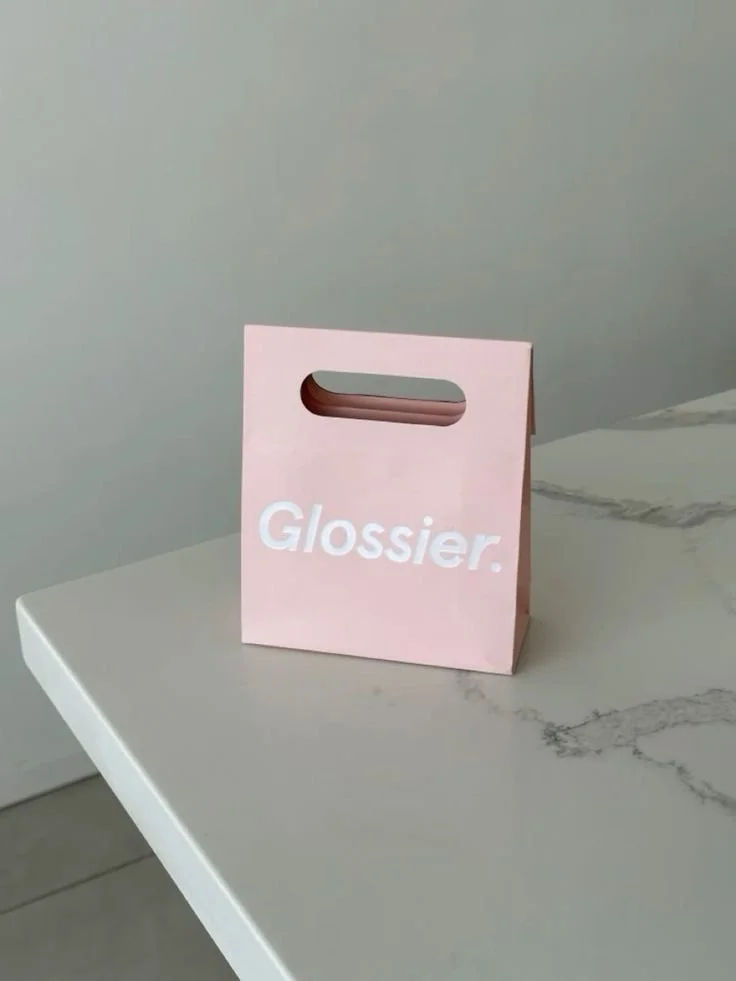
Grew from a blog into a billion-dollar beauty brand powered by its community.
3. GoPro
- Scaled rapidly by showcasing customer-shot content (extreme sports, travel, adventures).
- Perfect example of product-driven UGC, where content markets the brand.
4. Chubbies
- Used everyday creators to promote a fun, casual lifestyle through relatable content.
- Focused on humor, personality, and community instead of polished advertising.
- Strong example of lifestyle UGC marketing done right.
5. Starbucks
- Leveraged massive UGC campaigns (seasonal drinks, name cups, trends).
- Customers continuously create and share content organically across platforms.
- Turned customers into a scalable, always-on marketing channel.

Leveraged massive UGC campaigns (seasonal drinks, name cups, trends).
Key Pattern Across All Brands
These brands succeeded because they:
- Made customers the main content channel
- Focused on community over traditional ads
- Created products that are easy to showcase in real life
- Encouraged consistent, high-volume UGC creation
Bottom line: UGC isn't just a tactic — it's a growth engine when brands design their marketing around it.