How to Choose the Right Influencers for Your Brand
Before we dive into strategy, let's look at one of the strongest influencer marketing examples today.
Netflix doesn't treat influencers like advertisers — they treat them like content creators and distribution partners.
- They collaborate with TikTok, YouTube, and Instagram creators to promote shows
- Influencers recreate scenes, trends, and memes from series
- Campaigns feel like entertainment, not ads
Result: Massive organic reach, viral moments, and hundreds of millions in earned media value.
Key takeaway: The best influencer marketing doesn't feel like marketing — it feels like content people want to watch.
Netflix collaborates with influencers as a core marketing strategy to turn shows into viral cultural moments — instead of traditional ads.
1. Start With Clear Campaign Goals
Before selecting influencers, define your objective:
- Brand awareness
- Engagement
- Sales / conversions
Example: Rhode (Hailey Bieber) — Rhode focuses on viral product drops and hype, prioritizing awareness and demand.
Lesson: If your goal is awareness, choose influencers with strong reach. If your goal is sales, prioritize trust and niche authority.
2. Choose Influencers That Match Your Audience
The best influencer is useless if their audience isn't your target market.
Look at:
- Location (important for EU / Germany campaigns)
- Age and interests
- Buying behavior
Example: White Fox dominates Gen Z by working with influencers who are their audience.
Lesson: Your influencer should feel like a natural extension of your customer base.
3. Focus on Engagement, Not Followers
A large following doesn't guarantee results. Engagement drives performance.
Check:
- Likes, comments, shares
- Story views and interaction
- Comment quality
Example: Heaven Mayhem grew through organic product seeding, leading to high engagement and viral exposure.
Lesson: Smaller, engaged creators often outperform large passive audiences.
4. Prioritise Content Fit and Authenticity
Your product should feel natural in the influencer's content.
Ask:
- Does this creator already post similar content?
- Would this promotion feel forced?
Example: NARS Cosmetics builds campaigns around interaction and participation, not just promotion.
Lesson: Authenticity builds trust — and trust drives conversions.
5. Look at Credibility and Brand Alignment
Evaluate:
- Consistency of content
- Tone and positioning
- Past collaborations
Example: Redken × Sabrina Carpenter — a long-term partnership that aligns perfectly with the brand identity.
Lesson: Strong alignment beats short-term visibility.
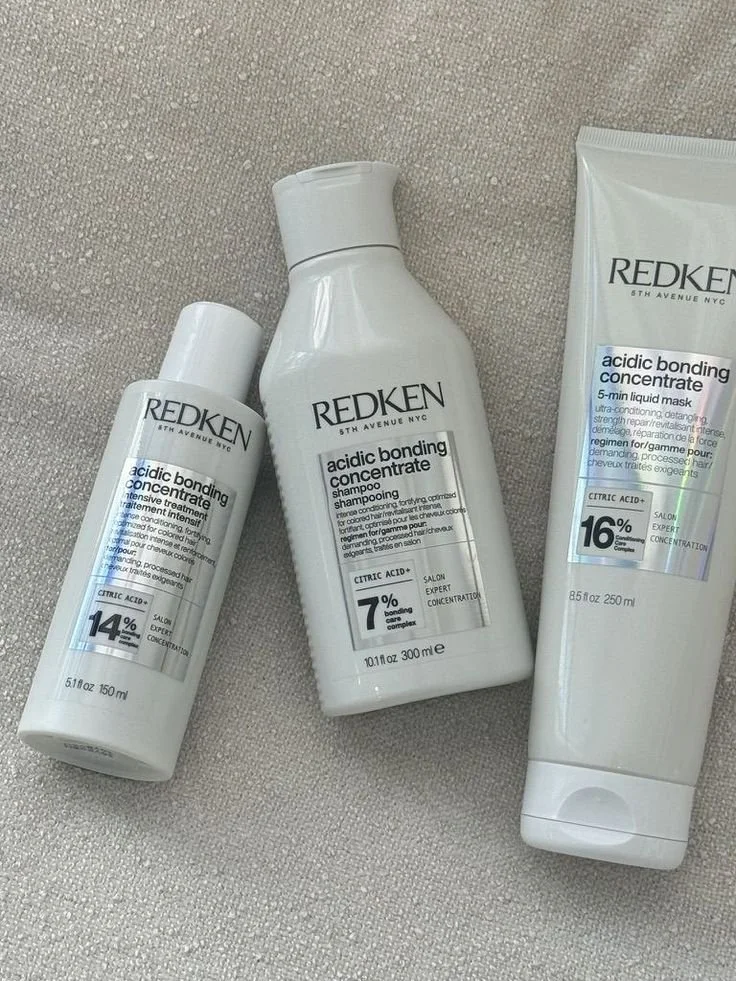
Redken's influencer marketing combines professional hairstylists and relatable creators to showcase real, visible hair transformations, with long-term partnerships over one-off posts.
6. Choose the Right Influencer Size
- Nano (1k–10k): high trust
- Micro (10k–50k): best ROI
- Mid-tier (50k–500k): reach + trust
- Macro (500k+): awareness
Example: Fashion Nova & White Fox scale using many micro and mid-tier influencers.
Lesson: Build a network — not just one collaboration.
7. Choose the Right Platform
- TikTok → virality
- Instagram → branding
- YouTube → deep trust
Example: Netflix & Spotify integrate influencers into content ecosystems, not just ads.
Lesson: Platform strategy matters as much as influencer choice.
Final Thoughts: It's Not About Influencers — It's About Fit
Choosing the right influencers isn't about chasing the biggest names or the highest follower counts. It's about finding people who already speak to your audience, create content that feels natural, and can integrate your brand seamlessly into their world.
The brands that win — like Netflix, Rhode, or White Fox — don't treat influencer marketing as a one-off tactic. They treat it as a content strategy and distribution engine.
The shift is simple, but powerful: Stop asking "Who has the most followers?" Start asking "Who can tell our story in a way people actually care about?"
Your Action Plan
Before your next campaign, run through this quick checklist:
- ✔ Define your goal (awareness vs. sales)
- ✔ Identify where your audience actually spends time
- ✔ Vet influencers based on engagement and content style
- ✔ Prioritize authenticity over reach
- ✔ Build long-term relationships, not one-off posts
The right influencer doesn't just promote your product — they make people feel something about it.
And that's what turns content into clicks, clicks into customers, and customers into loyal fans.